
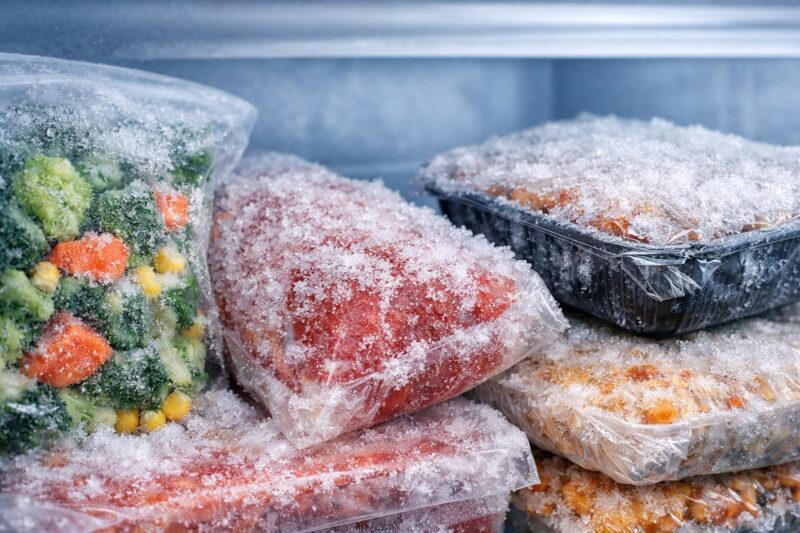
Have you ever opened a package of frozen meat only to discover grayish-white patches, dry spots, or strange textures on the surface? If so, you’ve encountered one of the most common freezer storage problems: freezer burn.
Many consumers assume freezer-burned food is spoiled, unsafe, or contaminated. In reality, freezer burn is a quality issue rather than a food safety issue. While it may not make food dangerous to eat, it can dramatically affect texture, flavor, moisture retention, and overall eating experience.
Understanding the science behind freezer burn can help you store food more effectively, reduce waste, and preserve the quality of frozen ingredients for longer periods.
In this comprehensive guide, we’ll explore what freezer burn actually is, what causes it, how it affects different foods, whether freezer-burned food is safe to eat, and the best strategies for preventing it.
What Is Freezer Burn?
Freezer burn is a form of dehydration that occurs when frozen food loses moisture while stored in the freezer.
It happens when water molecules inside frozen food escape into the surrounding air, leaving certain areas of the food dry and damaged.
Unlike bacterial spoilage, freezer burn does not occur because food has gone bad. Instead, it is caused by physical and chemical changes that continue even at freezing temperatures.
The result is often:
- Dry patches on the surface
- Gray, white, or brown discoloration
- Tough or leathery textures
- Reduced flavor
- Poor cooking performance
Although freezer burn can affect almost any frozen food, it is especially noticeable on meat, poultry, seafood, vegetables, ice cream, and prepared meals.
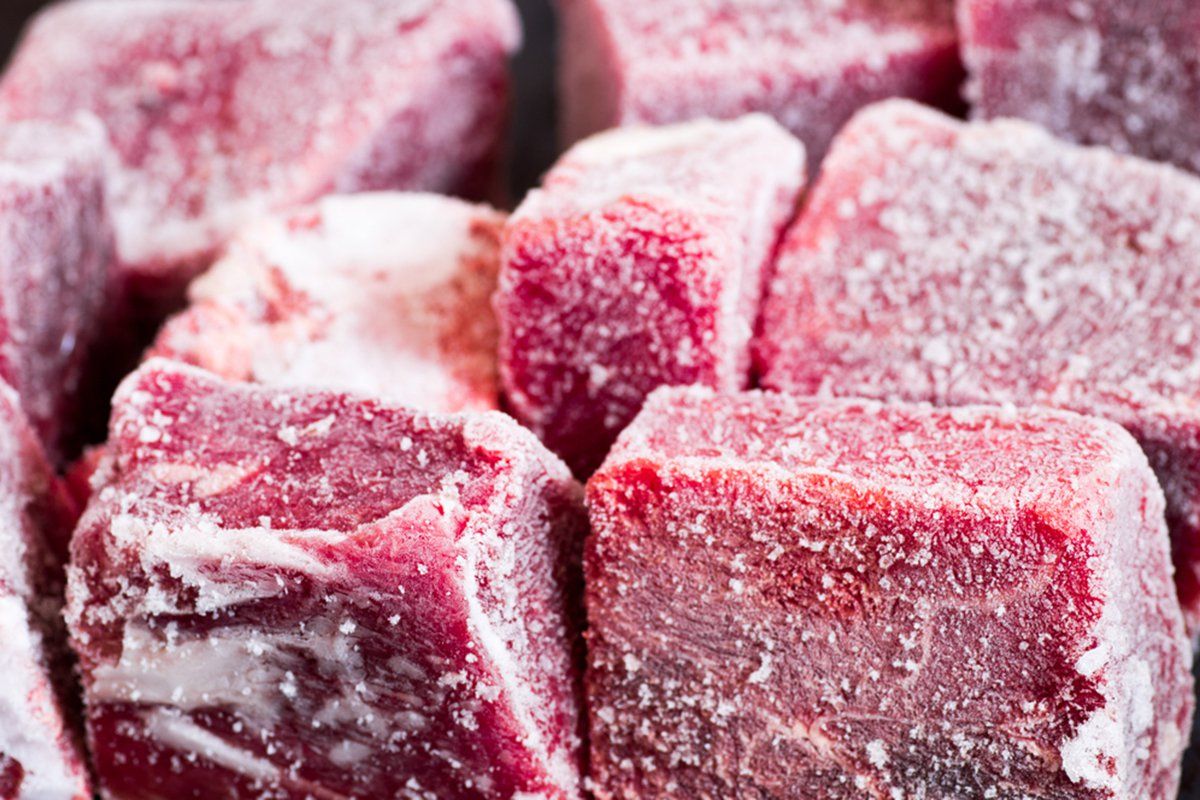
The Science Behind Freezer Burn
To understand freezer burn, we need to examine what happens to water inside frozen food.
Many people assume that once food is frozen, all physical changes stop.
That isn’t true.
Even at freezer temperatures, water molecules continue to move.
This movement is the foundation of freezer burn.
Sublimation: The Hidden Process Behind Freezer Burn
The primary cause of freezer burn is a process called sublimation.
Sublimation occurs when ice changes directly into water vapor without becoming liquid first.
In simple terms: Frozen water → Water vapor
Instead of melting, ice slowly evaporates from the food’s surface.
As water leaves the food:
- Surface tissues dry out
- Ice crystals shrink
- Food becomes dehydrated
- Texture deteriorates
Over time, this moisture loss becomes visible as freezer burn.
This process is similar to what happens when snow slowly disappears during cold weather without melting.
The same scientific principle applies inside your freezer.
Why Does Moisture Leave Frozen Food?
Water naturally moves from areas of higher concentration to lower concentration. Inside frozen food, water is trapped within cells and tissues.
Inside the freezer, the surrounding air is usually much drier. This difference creates a moisture gradient.
As a result:
- Water molecules migrate outward
- Ice on the food’s surface sublimates
- Moisture enters the freezer air
- Food gradually dehydrates
The longer food remains exposed to freezer air, the more moisture it loses.
The Role of Air Exposure
Air is one of the biggest contributors to freezer burn. Whenever food is stored with:
- Loose packaging
- Torn wrapping
- Excess air in containers
- Improperly sealed freezer bags
The risk of freezer burn increases dramatically. Air allows moisture to escape more easily from the food’s surface. This is why vacuum-sealed foods often maintain quality much longer than foods stored in ordinary containers.
Without oxygen and excess air, sublimation slows significantly.
What Happens to Food Tissue During Freezer Burn?
Freezer burn is more than surface drying. It also affects the internal structure of food.
As moisture leaves:
- Cells collapse
- Proteins become concentrated
- Muscle fibers shrink
- Fat becomes more exposed to oxygen
These structural changes explain why freezer-burned food often feels tougher and less juicy after cooking.
In meat, the damage can be particularly noticeable because muscle fibers rely heavily on water retention to maintain tenderness.
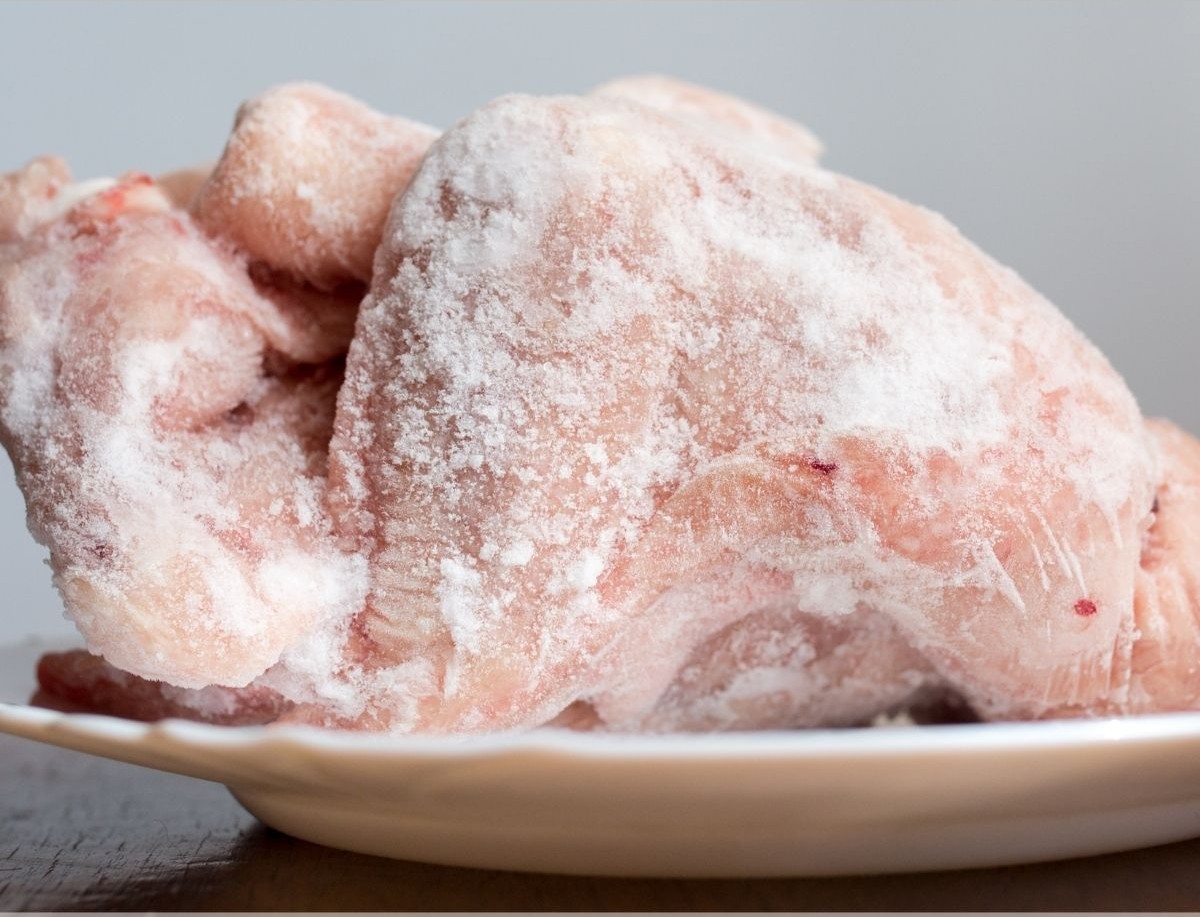
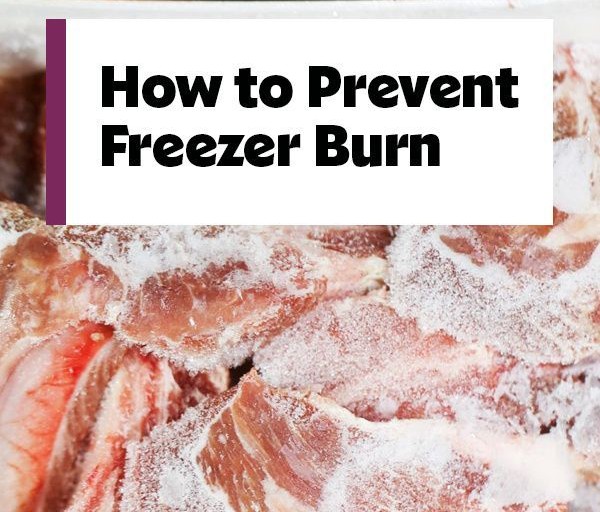
Why Freezer-Burned Meat Looks Gray or White
One of the most recognizable signs of freezer burn is discoloration.
Frozen meat may develop:
- White patches
- Gray spots
- Pale brown areas
These changes occur because dehydration alters how light reflects from the surface. In some cases, oxidation also contributes to color changes.
As water leaves the tissue:
- Pigments become concentrated
- Surface proteins change structure
- Oxygen interacts with exposed compounds
The result is a dull, discolored appearance. This visual change often worries consumers, but discoloration alone does not necessarily indicate spoilage.
Why Ice Cream Gets Freezer Burn
Ice cream experiences freezer burn differently than meat. Instead of dry patches, freezer-burned ice cream often develops:
- Ice crystals
- Grainy texture
- Hard frozen layers
- Loss of creaminess
This occurs because repeated temperature fluctuations cause melting and refreezing. When tiny amounts of melted water refreeze, larger ice crystals form. These crystals destroy the smooth texture that makes ice cream enjoyable. The result is a coarse, icy product that tastes significantly different from fresh ice cream.
How Freezer Burn Affects Seafood
Seafood is particularly vulnerable to freezer burn because it contains high water content and delicate muscle structures.
Fish affected by freezer burn may develop:
- Dry surfaces
- Tough texture
- Reduced flavor
- Chalky appearance
Because fish muscle fibers are naturally softer than beef or pork, moisture loss can cause significant quality deterioration.
For this reason, seafood generally has a shorter recommended freezer storage period than red meat.
Is Freezer-Burned Food Safe to Eat?
One of the most common questions consumers ask is: “Can freezer burn make you sick?”
The answer is generally no. Freezer burn itself is not dangerous. Food that has been continuously stored at safe freezer temperatures remains microbiologically safe.
Freezer burn does not:
- Create harmful bacteria
- Produce toxins
- Cause food poisoning
However, freezer burn does affect quality.
Heavily freezer-burned food may taste:
- Bland
- Dry
- Stale
- Tough
While safe to eat, the eating experience may be disappointing.
How Long Does It Take for Freezer Burn to Develop?
The answer depends on several factors:
- Packaging quality
- Freezer temperature
- Air exposure
- Food type
- Storage duration
Poorly wrapped food may develop freezer burn within a few weeks. Properly vacuum-sealed food may remain in excellent condition for many months.
Typical quality timelines include:
|
Food Type |
Best Quality Period |
|
Beef |
6–12 months |
|
Chicken |
9–12 months |
|
Pork |
4–6 months |
| Fish |
2–6 months |
| Ground Meat |
3–4 months |
| Prepared Meals |
2–6 months |
These guidelines help minimize freezer burn and maintain quality.
Why Temperature Fluctuations Make Freezer Burn Worse
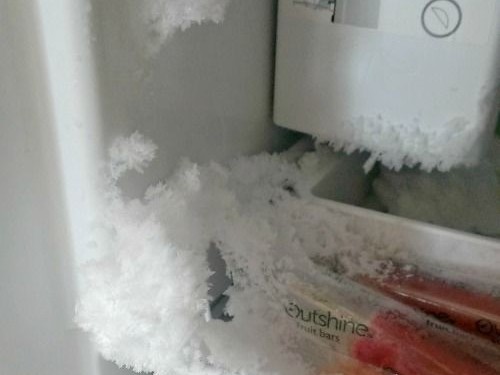
A stable freezer environment is critical. Every time freezer temperatures rise and fall:
- Small amounts of ice may melt
- Moisture redistributes
- Larger ice crystals form
- Dehydration accelerates
This process is known as recrystallization.
Recrystallization increases both texture damage and moisture loss. Frequent freezer door openings can contribute to these fluctuations. Older freezers may also struggle to maintain consistent temperatures.
For optimal food quality: Maintain freezer temperatures at 0°F (-18°C) or below.
Common Mistakes That Cause Freezer Burn
Many cases of freezer burn result from simple storage mistakes.
Using Thin Grocery Bags
Standard grocery bags are not designed for long-term freezing.
They allow moisture transfer and air exposure.
Not Removing Air
Excess air inside packaging accelerates sublimation.
Freezing Warm Food Improperly
Large temperature changes can create excess ice crystal formation.
Storing Food Too Long
Even properly packaged food gradually loses quality.
Frequent Opening of the Freezer
Temperature instability speeds freezer burn development.
How to Prevent Freezer Burn
The good news is that freezer burn is largely preventable.
Use Vacuum Sealing Whenever Possible
Vacuum sealing removes most air from the package.
Benefits include:
- Reduced oxidation
- Reduced moisture loss
- Longer storage life
- Better flavor preservation
This is one of the most effective prevention methods available.
Choose Freezer-Safe Packaging
Use materials specifically designed for freezing.
Examples include:
- Freezer bags
- Vacuum bags
- Heavy-duty aluminum foil
- Freezer paper
- Airtight freezer containers
Proper barriers slow moisture migration.
Remove Excess Air
Even without a vacuum sealer, removing as much air as possible helps significantly.
Less air means slower sublimation.
Freeze Food Quickly
Rapid freezing creates smaller ice crystals and reduces structural damage.
Freeze food in smaller portions whenever possible.
Label and Rotate Food
Use a first-in, first-out system.
Clearly label:
- Freezing date
- Food type
This helps prevent forgotten items from spending years in the freezer.
Keep Freezer Temperature Consistent
Maintain temperatures at or below: 0°F (-18°C)
Avoid unnecessary door openings and ensure the freezer is functioning properly.
Are You Storing Food Safely? According to FDA
Can You Fix Freezer-Burned Food?
Unfortunately, freezer burn cannot be reversed.
Once moisture has been lost, it cannot be fully restored. However, quality can sometimes be improved.
For meat:
- Trim heavily affected areas
- Use moist cooking methods
- Marinate before cooking
- Slow-cook tougher cuts
Vegetables:
- Incorporate into soups or stews
Seafood:
- Use in chowders, curries, or sauces
While texture damage remains, these techniques can reduce its impact.
Final Thoughts
Freezer burn is a form of dehydration caused by moisture loss from frozen food. The underlying scientific process—sublimation—allows ice to escape directly into the freezer air, gradually drying out food and damaging its texture.
Although freezer burn is not a food safety issue, it can significantly affect flavor, appearance, tenderness, and overall quality. Air exposure, poor packaging, temperature fluctuations, and extended storage all contribute to its development.
Fortunately, freezer burn is largely preventable. By using airtight packaging, removing excess air, maintaining stable freezer temperatures, and avoiding unnecessarily long storage periods, you can preserve the quality of frozen foods for months.
Understanding the science of freezer burn isn’t just about protecting food—it’s about reducing waste, saving money, and ensuring that the ingredients you freeze today are still worth eating tomorrow.
