
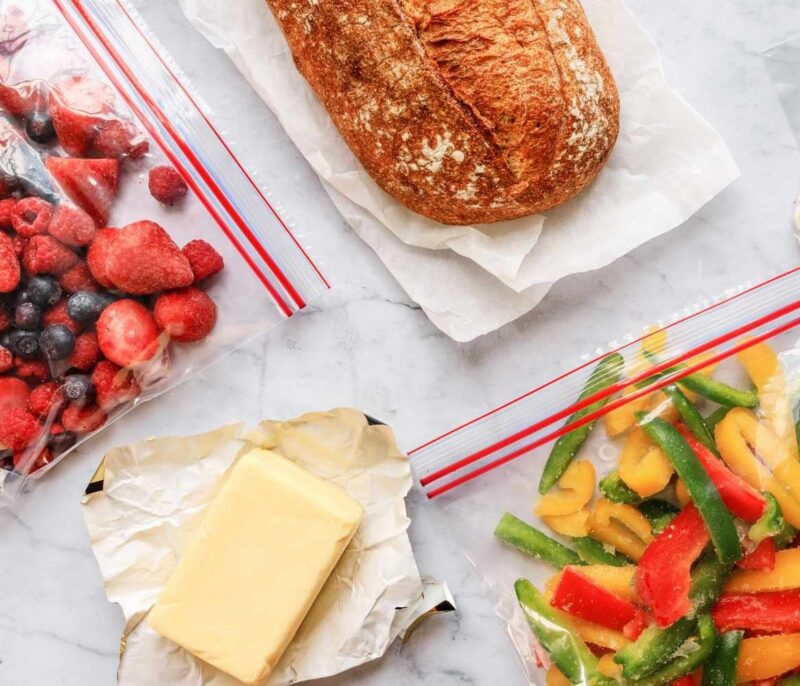
Quick Answer: Can You Refreeze Food? Yes, food can often be safely refrozen if it was thawed properly in the refrigerator and remained at a safe temperature.
However, Food thawed in the refrigerator can usually be refrozen. Food thawed using cold water or a microwave should generally be cooked before refreezing. Food left at room temperature for more than two hours should not be refrozen.
The key factor isn’t whether the food was frozen before—it’s how warm the food became during thawing.
Why Refreezing Is Often Misunderstood
Many people assume freezing kills bacteria.
It doesn’t.
Freezing simply slows or stops microbial growth.
When food is frozen:
- Bacteria become inactive
- Mold growth slows dramatically
- Enzyme activity decreases
However, most microorganisms survive the freezing process. Once food begins thawing, bacteria can become active again. This is why thawing methods matter far more than freezing itself.
Understanding the “Danger Zone”
Food safety experts use the term Danger Zone to describe temperatures where bacteria multiply rapidly.
The Danger Zone ranges from: 40°F to 140°F (4°C to 60°C)
Within this range:
- Bacteria can double in number quickly
- Food spoilage accelerates
- Foodborne illness risk increases
The longer food remains in this temperature range, the greater the risk. This principle is the foundation of all refreezing recommendations.
When Is It Safe to Refreeze Food?
The safest scenario involves refrigerator thawing.
Food Thawed in the Refrigerator
Food thawed in a refrigerator remains below 40°F (4°C). Because it stays outside the Danger Zone, bacterial growth remains limited.
In most cases, you can safely refreeze:
- Beef
- Chicken
- Pork
- Seafood
- Vegetables
- Prepared meals
The food may lose some quality, but safety generally remains intact.
For example, you move frozen chicken breasts from the freezer to the refrigerator on Monday. By Wednesday, they’ve thawed, but your dinner plans change. You can safely return them to the freezer.
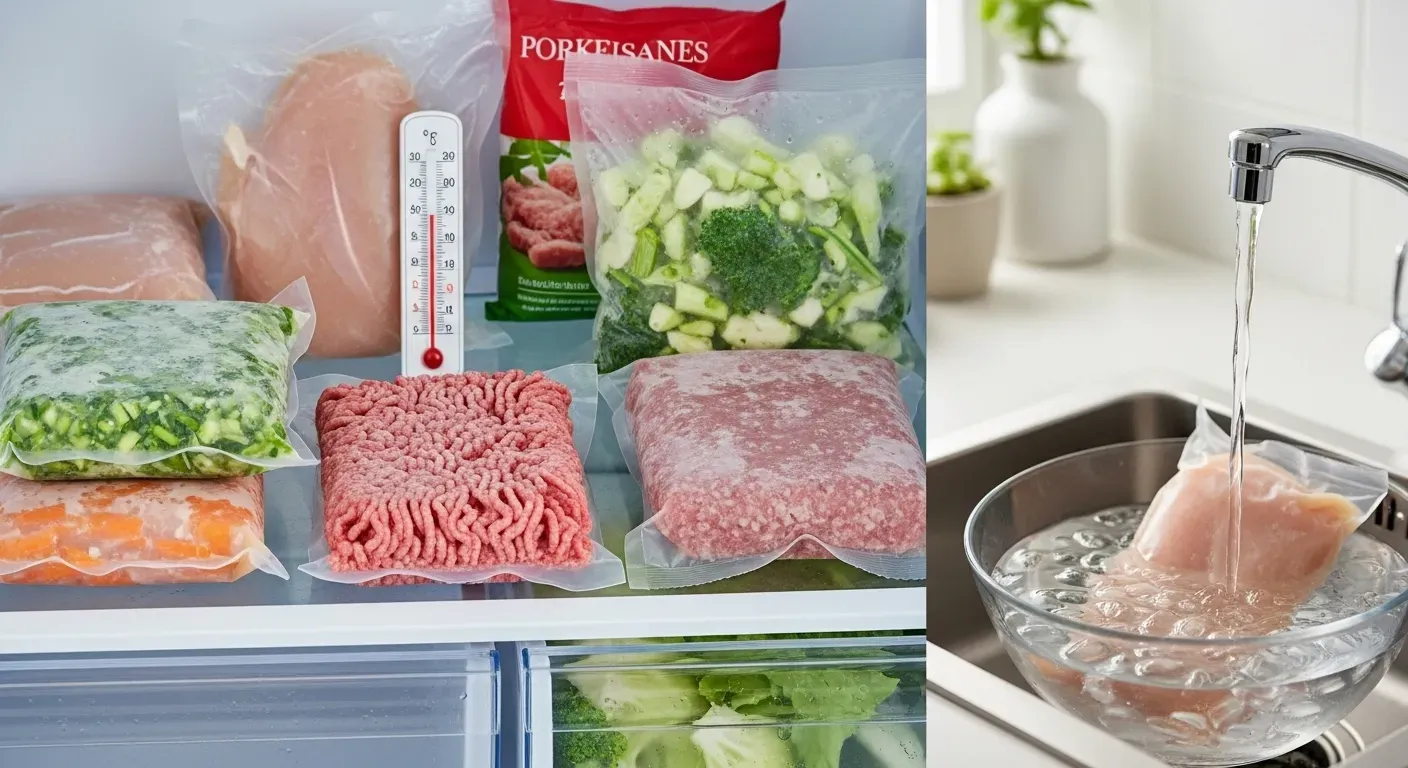
Food Thawed in Cold Water
Cold-water thawing is a faster method that requires food to remain sealed in waterproof packaging. If food thawed using cold water:
- Cook it immediately
- Then refreeze if desired
Why?
Because portions of the food may approach temperatures where bacterial activity increases. Cooking eliminates most concerns before refreezing.
Food Thawed in the Microwave
Microwave thawing creates unique challenges. Some parts of the food may begin cooking while other sections remain frozen. These warmer areas can encourage bacterial growth.
For this reason, food thawed in a microwave should be cooked immediately. Once cooked, it can be safely frozen again.
Food Left Out at Room Temperature
This is where many food safety problems occur. If perishable food remains at room temperature:
- More than 2 hours
- Or more than 1 hour above 90°F (32°C)
it should not be refrozen.
Examples include:
- Raw meat
- Poultry
- Seafood
- Dairy products
- Cooked leftovers
At this point, bacterial growth may have reached unsafe levels. Refreezing does not reverse this process.
Can You Refreeze Meat?
This is perhaps the most frequently asked refreezing question.
Raw Beef
Beef thawed in the refrigerator can generally be refrozen safely. Quality changes may occur, including:
- Moisture loss
- Texture changes
- Reduced juiciness
Safety usually remains unaffected.
Raw Chicken
Chicken can also be refrozen if thawed in the refrigerator. However, poultry tends to lose moisture more noticeably after multiple freeze-thaw cycles.
Expect:
- Increased drip loss
- Slight texture changes
- Reduced tenderness
Pork
Pork follows similar rules. Properly refrigerated thawed pork can typically be refrozen safely. Again, quality—not safety—is the primary concern.
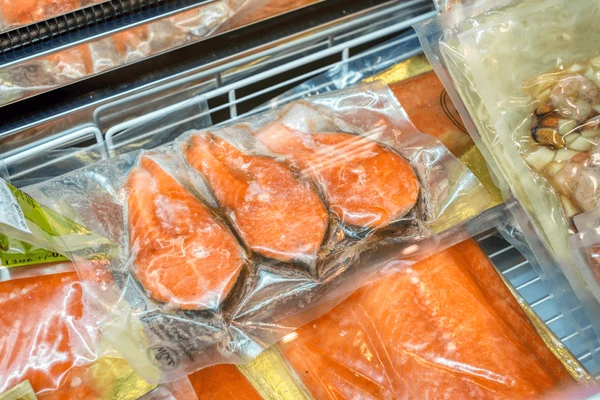
Can You Refreeze Seafood?
Seafood is more delicate than most meats.
Fish and shellfish contain:
- Higher water content
- Softer muscle fibers
As a result, repeated freezing may cause:
- Mushy texture
- Moisture loss
- Reduced flavor
If seafood was thawed safely in the refrigerator, it can usually be refrozen. However, quality deterioration may be significant.
Can You Refreeze Cooked Food?
Yes. Cooked food is often one of the safest categories to refreeze.
Examples include:
- Soups
- Stews
- Chili
- Cooked chicken
- Pasta dishes
- Casseroles
As long as the food:
- Was handled safely
- Was cooled properly
- Hasn’t remained at room temperature too long
it can generally be frozen again. Many meal-prep systems rely on multiple cooking and freezing cycles.
Can You Refreeze Vegetables?
In most cases, yes. Vegetables pose fewer food safety concerns than raw meat.
Examples include:
- Broccoli
- Peas
- Corn
- Carrots
- Mixed vegetables
However, repeated freezing can affect:
- Texture
- Color
- Crispness
Leafy vegetables are particularly vulnerable to becoming soft after refreezing.
Can You Refreeze Bread?
Bread is one of the easiest foods to refreeze.
You can generally refreeze:
- Sandwich bread
- Bagels
- Tortillas
- Rolls
- Pizza dough
Quality changes are usually minimal if stored properly.
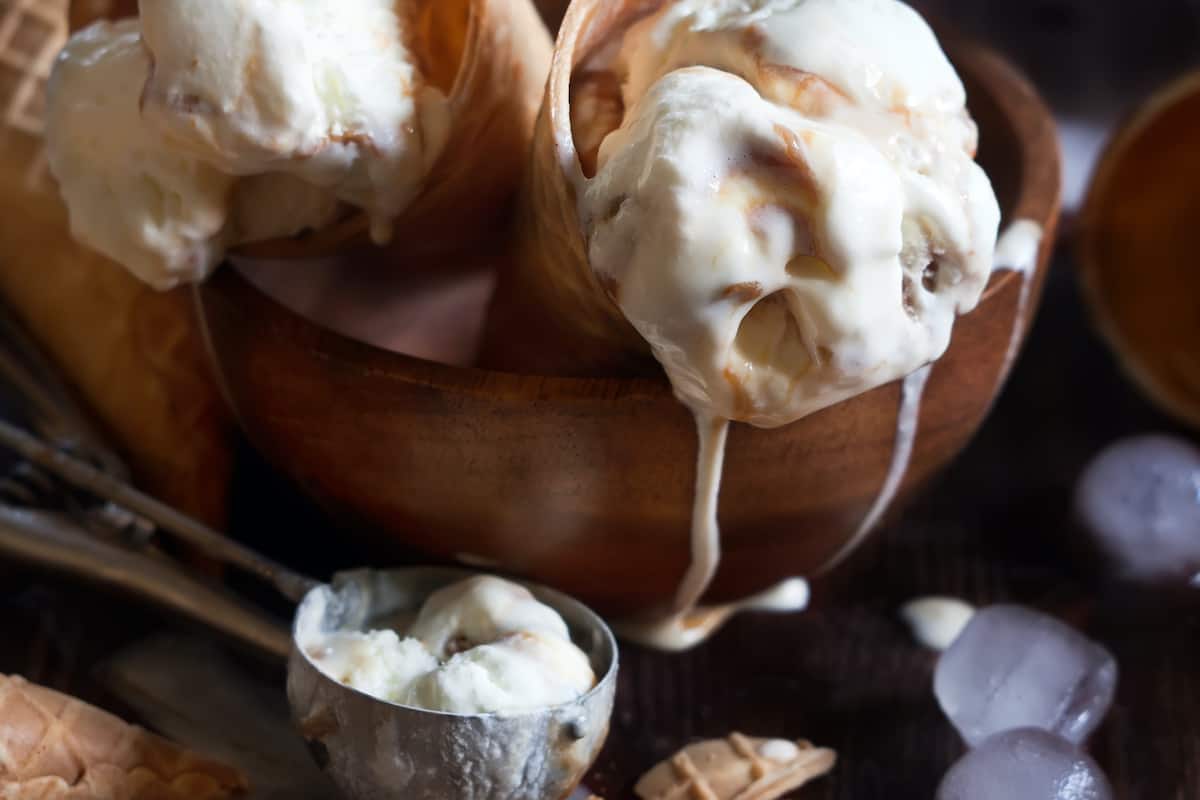
Can You Refreeze Ice Cream?
This is more complicated. Technically, ice cream can be refrozen.
However:
- Texture often suffers dramatically
- Large ice crystals develop
- Creaminess decreases
If ice cream has melted substantially, refreezing may also increase food safety concerns. For best quality, avoid repeated melting and refreezing.
What Happens to Food During Repeated Freeze-Thaw Cycles?
The biggest issue with refreezing isn’t usually safety. It’s quality. Every freeze-thaw cycle creates additional physical damage.
Ice Crystal Growth
When food freezes:
- Water forms ice crystals
- Cell structures are stressed
Each thaw-and-refreeze cycle can create larger crystals. These crystals damage tissues more aggressively.
Moisture Loss
Repeated cycles increase:
- Drip loss
- Dehydration
- Texture damage
This is particularly noticeable in meat.
Texture Changes
Food may become:
- Tougher
- Drier
- Mushier
- Less appealing
Seafood often suffers the most.
Flavor Reduction
Moisture carries flavor compounds.
As moisture escapes, flavor intensity may decline.
This is why repeatedly frozen meat often tastes less satisfying.
Common Refreezing Myths
Myth #1: Refreezing Automatically Makes Food Unsafe
False. Properly handled food can often be safely refrozen. The critical factor is temperature control.
Myth #2: Freezing Kills All Bacteria
False. Most bacteria survive freezing. They simply become inactive.
Myth #3: If Food Looks Fine, It’s Safe
Not always. Harmful bacteria are invisible. Appearance alone cannot determine safety.
Myth #4: You Can Refreeze Anything Forever
False. Every freeze-thaw cycle reduces quality. Eventually, food becomes undesirable even if technically safe.
Best Practices for Refreezing Food
To maximize both safety and quality:
Thaw in the Refrigerator Whenever Possible
This is the safest method.
Divide Food into Smaller Portions
Smaller portions thaw and refreeze more efficiently.
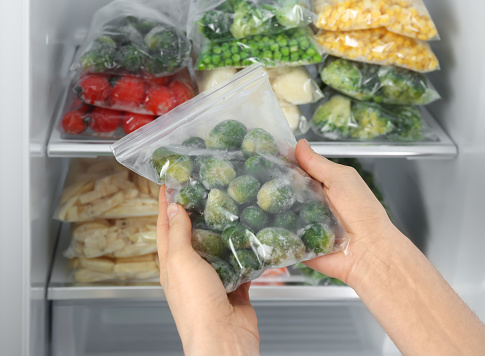
Label Everything
Include:
- Original freeze date
- Refreeze date
This helps track storage time.
Use Airtight Packaging
Good packaging minimizes:
- Freezer burn
- Moisture loss
- Oxidation
Cook Before Refreezing When Appropriate
Cooking after thawing often produces better quality than repeatedly freezing raw food.
Avoid Multiple Freeze-Thaw Cycles
Whenever possible:
- Freeze once.
- Thaw once.
- Use the food.
This approach delivers the best results.
Refreezing Safety Cheat Sheet
|
Food Type |
Can Be Refrozen? |
| Refrigerator-thawed meat |
Yes |
| Refrigerator-thawed poultry |
Yes |
| Refrigerator-thawed seafood |
Yes |
| Cold-water thawed food |
Cook first |
| Microwave-thawed food |
Cook first |
| Cooked leftovers |
Yes |
| Bread |
Yes |
| Vegetables |
Yes |
| Ice cream |
Quality suffers |
| Food left out >2 hours |
No |
Final Verdict
So, can you refreeze food? Yes—under the right conditions.
Food thawed safely in the refrigerator can usually be refrozen without creating a food safety risk. However, every freeze-thaw cycle causes some loss of moisture, texture, and flavor.
The biggest danger isn’t refreezing itself—it’s allowing food to spend too much time in the temperature Danger Zone where bacteria can multiply rapidly.
If you remember one rule, make it this:
Safe refreezing depends on temperature control, not on the number of times food has been frozen.
By thawing food properly, minimizing time at room temperature, using airtight packaging, and avoiding unnecessary freeze-thaw cycles, you can safely reduce food waste while maintaining the best possible quality.
