
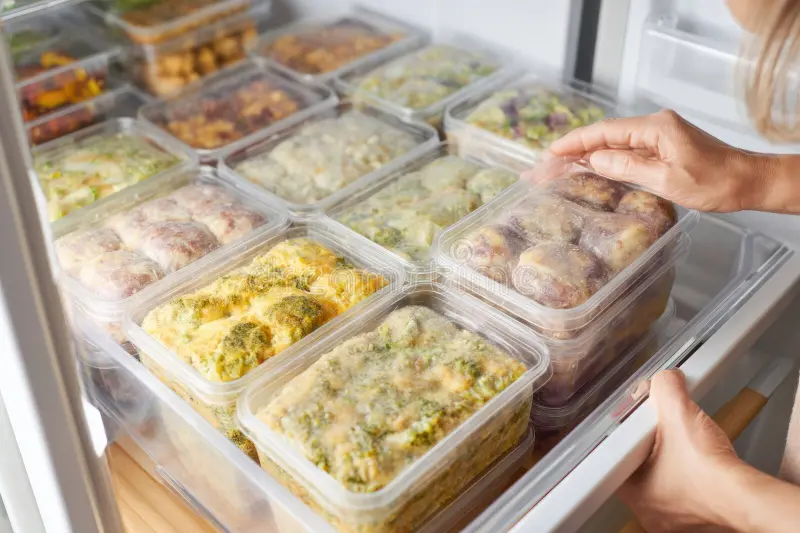
Power outages can happen unexpectedly due to storms, heat waves, equipment failures, or natural disasters. When the lights go out, one of the first concerns many homeowners have is the food stored in their freezer.
How long will frozen food stay safe? Should you throw everything away after a few hours? Can partially thawed food be refrozen?
The answers depend on several factors, including the type of freezer, how full it is, whether the door remains closed, and how long the outage lasts.
In this comprehensive guide, we’ll explain exactly how long food can stay frozen during a power outage, how to determine whether it’s still safe to eat, and what steps you can take to protect your food and reduce waste.
Quick Answer: How Long Can Frozen Food Stay Safe Without Power?
Under ideal conditions:
Full Freezer
A fully stocked freezer can keep food safely frozen for approximately: 48 hours (2 days) if the door remains closed.
Half-Full Freezer
A half-full freezer typically maintains safe temperatures for approximately: 24 hours (1 day) with the door closed.
These estimates assume the freezer was operating properly before the outage and remains unopened throughout the event.
Why Frozen Food Doesn’t Immediately Spoil
Many people assume that frozen food becomes unsafe the moment electricity fails. Fortunately, that’s not how freezers work. A freezer acts as a large insulated container.
Even after power is lost:
- Cold air remains trapped inside
- Frozen food acts like ice packs
- Internal temperatures rise gradually
This thermal mass helps maintain safe temperatures for many hours. The more frozen food inside, the longer the freezer stays cold.
Why a Full Freezer Stays Cold Longer
A full freezer retains cold significantly better than an empty one. Think of frozen food as stored cold energy. Each frozen package helps stabilize temperatures throughout the freezer.
- Benefits of a full freezer include:
- Slower temperature increases
- Reduced air circulation
- Better insulation
- Longer food protection
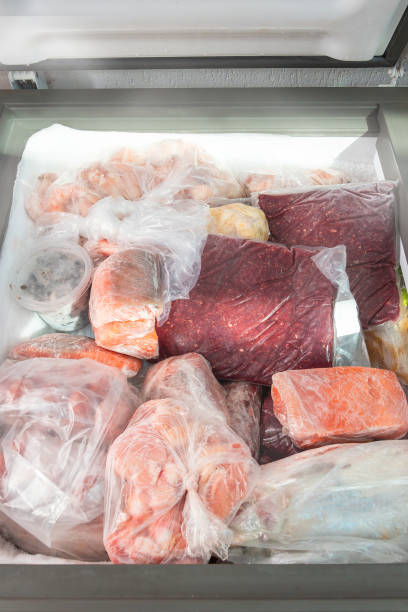
This is why emergency preparedness experts often recommend keeping freezers reasonably full.
The Most Important Rule: Keep the Door Closed
During a power outage, every door opening releases valuable cold air. Warm room air quickly enters the freezer. Even brief openings can accelerate thawing.
If possible:
Do:
- Keep the freezer door closed
- Open only when absolutely necessary
- Consolidate food before storm season
Don’t:
- Frequently check food
- Open the freezer to “see how cold it feels”
- Leave the door open while deciding what to remove
In many cases, keeping the door shut can add several hours of safe storage time.
What Temperature Is Considered Safe?
The key temperature threshold is: 40°F (4°C)
Food safety experts consider frozen food safe if it remains at or below this temperature.
Below 40°F:
- Bacterial growth remains extremely limited
- Food quality is preserved more effectively
- Refreezing may still be possible
Once food remains above 40°F for extended periods, food safety risks increase.
What Happens During Different Lengths of Power Outages?
Power Outage Under 4 Hours
For most freezers:
- Food remains frozen
- Safety concerns are minimal
- No special action is usually required
Simply keep the freezer closed. In nearly all cases, food quality remains unaffected.
Power Outage Between 4 and 24 Hours
This is where freezer fullness becomes important. A full freezer often remains frozen throughout this period.
You may notice:
- Slight softening of some foods
- Surface frost beginning to melt
- Ice cream becoming softer
Most foods remain safe if freezer temperatures stay below 40°F.
Power Outage Between 24 and 48 Hours
Risk increases significantly. A fully stocked freezer may still protect food. A half-full freezer may begin experiencing widespread thawing. Inspect carefully once power returns.
Temperature measurements become especially valuable during longer outages.
Power Outage Longer Than 48 Hours
At this stage:
- Significant thawing is likely
- Food safety concerns increase
- Some foods may require disposal
Whether food remains safe depends largely on temperature history rather than simply outage duration.
Which Foods Stay Frozen the Longest?
Not all frozen foods thaw at the same rate. Dense items retain cold much longer than lightweight foods. Foods that typically remain frozen longer include:
Beef and Large Roasts
Large cuts contain substantial thermal mass.
Whole Turkeys
Large frozen poultry often remains frozen surprisingly long.
Frozen Water Bottles
Ice-filled containers can stay frozen for days.
Bulk Frozen Foods
Large packages thaw more slowly than individual portions.
Which Foods Thaw First?
Some foods warm much more quickly. These include:
Ice Cream
Often among the first foods to soften.
Frozen Desserts
Low density causes faster temperature changes.
Small Packages
Single-serving items thaw rapidly.
Frozen Fruits
Many fruits soften relatively quickly once temperatures rise.
These foods often provide early warning signs that freezer temperatures are increasing.
How to Determine Whether Frozen Food Is Still Safe
The safest approach is to evaluate temperature, not appearance alone. Many harmful bacteria leave no visible signs.
Check for Ice Crystals
If food still contains:
- Ice crystals
- Frozen sections
- Hard centers
it is generally considered safe to refreeze or cook. This indicates temperatures likely remained relatively low.
Use a Freezer Thermometer
A freezer thermometer provides the most reliable information.
If food remains: 40°F (4°C) or below, it is generally safe.
This is why thermometers are among the most valuable emergency preparedness tools for food storage.
Evaluate Food Texture
Partially thawed food may feel:
- Soft but cold
- Slushy
- Partially frozen
These foods are often salvageable if temperatures remained safe.
When Should You Throw Food Away?
Food should generally be discarded when:
- Temperature exceeds 40°F for several hours
- Food is fully thawed
- Food feels warm
- Spoilage signs are present
Examples of high-risk foods include:
- Raw meat
- Poultry
- Seafood
- Prepared meals
- Dairy products
When in doubt, prioritize safety.
Can You Refreeze Food After a Power Outage?
One of the most common questions after an outage is whether thawed food can be frozen again. The answer depends on its condition.
Safe to Refreeze
Food may often be refrozen if:
- Ice crystals remain
- Food is still below 40°F
- It has not fully thawed
Quality may decline slightly, but safety is usually maintained.
Better to Cook First
If food has thawed but remains cold:
- Cook it promptly
- Then freeze the cooked product
This often produces better results than refreezing raw food.
Do Not Refreeze
Avoid refreezing if food:
- Became warm
- Sat above 40°F for extended periods
- Shows spoilage indicators
Freezing does not eliminate bacteria that may have multiplied during warming.
Common Mistakes During Power Outages
Opening the Freezer Repeatedly
Every opening releases cold air. This is the single most common mistake homeowners make.
Assuming Frozen Appearance Means Safe
Food may feel cold yet still have experienced unsafe temperature conditions. Temperature matters more than appearance.
Refreezing Everything Automatically
Not all thawed food should be returned to the freezer. Evaluate carefully first.
Waiting Too Long to Make Decisions
The sooner food is assessed after power restoration, the easier it is to preserve quality.
How to Prepare for Future Power Outages
Preparation dramatically reduces food loss.
Keep a Freezer Thermometer
This provides objective temperature data. Without one, safety decisions become much harder.
Freeze Water Containers
Containers of frozen water increase thermal mass. They help maintain cold temperatures longer.
Group Foods Together
Closely packed food retains cold better. Empty spaces allow faster warming.
Consider Backup Power
For households with large food inventories:
- Portable generators
- Battery backup systems
can provide additional protection.
Maintain an Emergency Cooler
Coolers and ice packs can preserve critical items if outages become prolonged.
Frozen Food Safety During a Power Outage: Quick Reference Table
|
Situation |
Recommended Action |
| Full freezer, power out <48 hours |
Usually safe |
| Half-full freezer, power out <24 hours |
Usually safe |
| Food still contains ice crystals |
Generally safe |
| Food below 40°F |
Usually safe |
| Food fully thawed but still cold |
Cook soon |
|
Food above 40°F for several hours |
Discard |
| Ice cream completely melted |
Discard |
| Raw meat warm to the touch |
Discard |
Final Verdict
A power outage doesn’t automatically mean your frozen food must be thrown away.
In most cases, a full freezer can keep food safely frozen for up to 48 hours, while a half-full freezer can maintain safe temperatures for approximately 24 hours—provided the door remains closed.
The most important factors are temperature and time. Food that still contains ice crystals or remains below 40°F (4°C) is often safe to refreeze or cook. However, fully thawed food that has spent extended time above safe temperatures should be discarded.
By keeping the freezer closed, monitoring temperatures, and preparing ahead of time with thermometers and emergency cooling supplies, you can significantly reduce food waste and protect your family’s health during unexpected power outages.
When it comes to food safety, remember this simple rule:
If you’re unsure whether food remained at a safe temperature, it’s better to throw it out than take the risk.
